Understanding the Role of a Destination Photographer
What is a Destination Photographer?
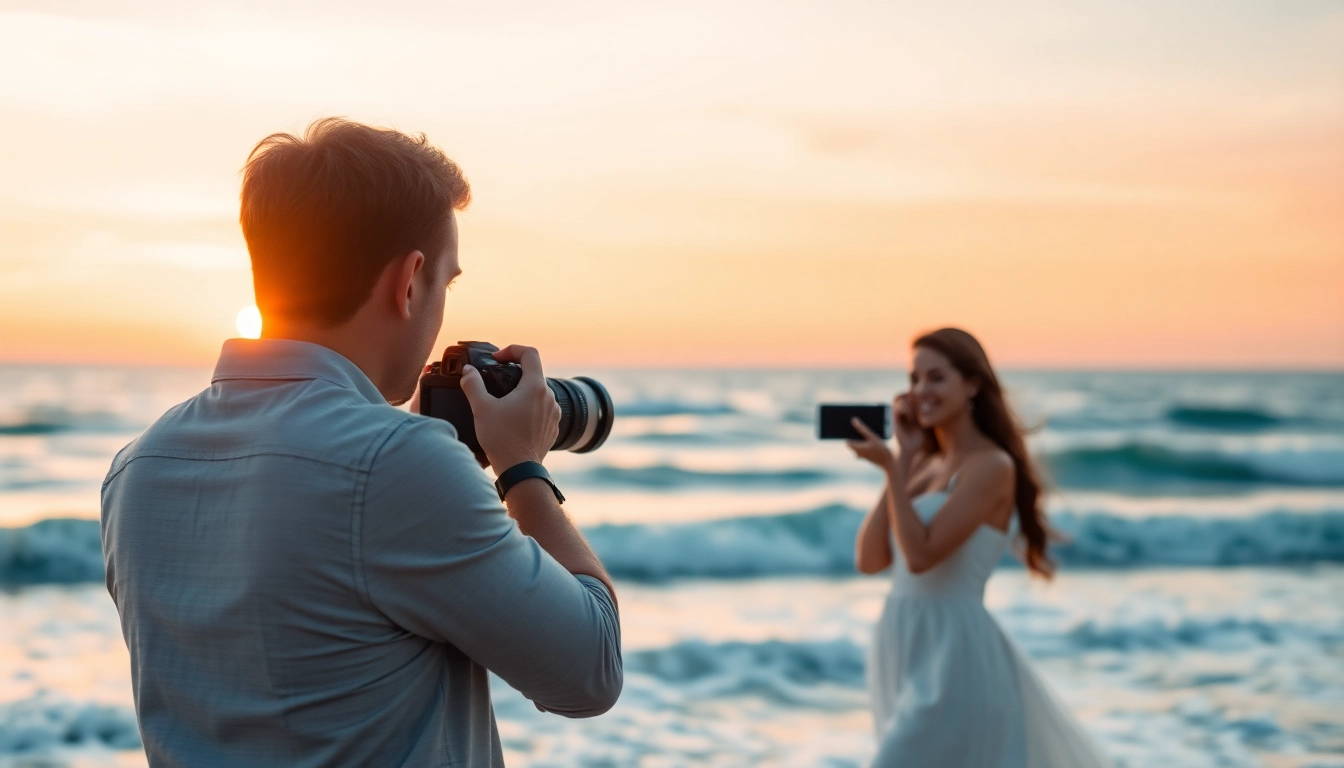
A Destination photographer specializes in capturing moments in diverse, often exotic locations, bringing unique experiences to life through their lens. This role transcends traditional photography, combining artistic vision with travel expertise. Destination photographers typically work with clients who seek memorable images at specific venues or events, such as weddings, family reunions, or corporate retreats. Their work not only focuses on the subjects but also the breathtaking locales that serve as backdrops, creating stories that resonate with emotion and beauty.
Importance of Location in Photography
In photography, the location sets the stage. The right backdrop can dramatically alter the mood and message of an image. For a destination photographer, understanding local geography, cultural elements, and the visual impact of surroundings is crucial. Locations can evoke different emotions; think of the soothing serenity of a beach at sunset versus the energetic vibrancy of a bustling city. Moreover, each destination offers unique lighting conditions and atmospheric elements that photographers must harness to enhance their compositions.
Skills Required for Destination Photography
Destination photography requires a blend of technical skills, artistry, and logistical prowess. Photographers must be adept at capturing light and composing shots while adapting to rapidly changing conditions. They need to have strong interpersonal skills to ease clients during shoots, especially in unfamiliar locations. Moreover, familiarity with diverse cultures and languages can enhance communication and lead to more authentic representations of the moments captured. Organizational skills are imperative, too, as destination photographers must plan and execute complex shoots far from home base, often managing their own logistics.
Preparing for a Destination Photography Session
Researching the Location
Successful destination photography begins with thorough research. Photographers should familiarize themselves with the area, noting popular sites, hidden gems, and any restrictions on photography. Understanding local customs can also aid in avoiding cultural faux pas during a shoot, fostering a more respectful interaction with subjects. Online resources, travel blogs, maps, and local contacts can provide invaluable insights, enabling photographers to uncover unique perspectives that resonate with their audience. Assessing the weather patterns and seasonal changes can also help predict lighting conditions, optimizing the chance for stunning images.
Planning Your Shots
Once the location is understood, planning the shots becomes essential. Photographers often create a shot list detailing specific images they want to capture. This includes considering the time of day for optimal lighting, selecting various spots within the location, and visualizing potential angles and compositions. Pre-planning not only enhances creativity but also ensures that no memorable opportunity is overlooked. Using tools like Google Maps, photographers can scout locations virtually and create a schedule to maximize their shooting time.
Essential Gear for Destination Photography
A well-thought-out gear selection can make or break a destination shoot. Essential equipment for a destination photographer includes high-quality cameras—DSLRs or mirrorless systems are often preferred due to their versatility and image quality. Multiple lenses offer flexibility in framing; wide-angle lenses capture expansive vistas while telephoto lenses are perfect for distant subjects. A sturdy tripod is crucial for long exposures and ensuring stability in varying terrains. Portable lighting gear, filter kits, and extra batteries are also vital, as are robust backup storage solutions for safeguarding images during travel.
Capturing Stunning Images: Techniques and Tips
Lighting Essentials for Destination Photographers
Lighting is a fundamental aspect of photography that directly impacts the quality of images. For destination photographers, mastering natural light is vital. Early mornings and late afternoons are considered "golden hours"; the soft, diffused light during these times enhances colors and reduces harsh shadows. Understanding how to use reflectors or diffusers can help in manipulating light to better highlight subjects. In low-light situations, working with higher ISO settings while maintaining a steady hand or using a tripod can yield beautifully lit images.
Composition Techniques to Enhance Your Photos
Composition is the art of arranging elements within a photograph to draw viewers' attention. Techniques such as the rule of thirds, leading lines, and framing can significantly impact photo aesthetics. The rule of thirds suggests that images are more appealing when subject elements are placed along imaginary grid lines. Leading lines guide viewers through portraits or landscapes, while framing incorporates natural elements to focus attention on the subject. Experimenting with perspectives and angles can add uniqueness to standard shots, ultimately showcasing a photographer's unique style.
Using Props to Create Unique Narratives
Props can elevate destination photography by infusing personal narratives and cultural elements into images. Whether it’s a vibrant textile, a significant artifact, or even local flora, incorporating props helps tell a story. This can be particularly beneficial when capturing family portraits or engagement sessions, as props can represent shared interests or cultural heritage. Collaborating with clients to select meaningful items encourages engagement, creating an authentic photographic experience that resonates with individuals’ emotions.
Post-Production for Destination Photographs
Editing Techniques to Highlight Your Work
Post-production plays a critical role in refining images after the shoot. Techniques such as color correction, cropping, and retouching can enhance the overall quality of the photographs. Adjusting contrast and brightness levels can make images more vibrant, while selective focus can be applied to draw attention to the subject. Advanced editing software provides tools for fine-tuning images, while batch processing can expedite editing larger projects. The goal should be to maintain a natural feel while ensuring the images reflect the beauty witnessed during the shoot.
Choosing the Right Software
Choosing an effective editing software is essential for a destination photographer. Popular options include Adobe Lightroom for its intuitive cataloging and editing capabilities, and Adobe Photoshop for more advanced retouching options. Other alternatives like Capture One and Affinity Photo also provide robust features tailored to professional photographers’ needs. Selecting software that aligns with one’s workflow can increase efficiency, enabling more time devoted to creativity rather than technical adjustments.
Creating a Consistent Style
Consistency in editing style is paramount for creating a recognizable brand as a destination photographer. Developing a signature look—whether through color palettes, filters, or specific framing techniques—helps distinguish visuals in a crowded marketplace. Photographers should choose a cohesive aesthetic that aligns with their vision and stick to it. This consistent approach fosters brand recognition and loyalty among clients, who come to appreciate a photographer's unique visual storytelling.
Building Your Brand as a Destination Photographer
Marketing Strategies to Attract Clients
Effective marketing strategies are essential for a destination photographer to build a successful business. Social media platforms such as Instagram and Pinterest serve as powerful tools to showcase work and attract potential clients, given the visual nature of these platforms. Networking at wedding fairs, workshops, and online forums also provides visibility among comparable professionals. Engaging with the community and participating in collaborative projects can create referral channels and multiply exposure, leading to increased bookings.
Creating a Portfolio that Stands Out
A well-crafted portfolio is a photographer's calling card. It should showcase a diverse range of work, emphasizing unique locations, subjects, and styles. Including group images and tighter shots along with individual portraits creates a dynamic viewing experience. Tailoring the portfolio to specific target markets can further enhance appeal, ensuring that potential clients relate to the style presented. A digital portfolio on a personal website allows easy accessibility and sharing across various platforms.
Networking with Other Professionals
Building relationships with other professionals in the industry can be highly beneficial for destination photographers. Collaborating with event planners, stylists, and venues can result in mutual referrals and exposure to new clientele. Joining photography associations or attending workshops allows photographers to learn from peers while sharing experiences and techniques. Building a network promotes growth and can foster opportunities that expand one's reach within the destination market.
FAQs About Destination Photography
What should I look for in a destination photographer?
Look for creativity, experience, and a portfolio that resonates with your style. Reviews and testimonials provide credible insights into their reliability.
How much does a destination photographer typically charge?
Pricing varies based on experience and location. Expect to pay between $1,000 to $5,000 or higher, depending on packages and services offered.
How do I prepare for a destination photo shoot?
Communicate your vision with your photographer, select outfits that match the setting, and consider lighting adjustments according to the time of day.
What types of equipment do destination photographers use?
Commonly used gear includes DSLRs or mirrorless cameras, multiple lenses, portable lighting, and backup storage solutions to ensure access to images during travel.
How can I find a reliable destination photographer?
Utilize online platforms, social media, or personal referrals, ensuring to review portfolios and set consultations to discuss your specific photography needs.