Understanding Stress and Anxiety
In today’s fast-paced world, many individuals find themselves grappling with stress and anxiety. While these two terms are often used interchangeably, they encapsulate distinct psychological experiences that can lead to significant disruptions in one’s life. Understanding the basic definitions, triggers, and impacts of these conditions is vital for effective management.
Defining Stress and Anxiety
Stress is a natural response to external demands or challenges. It can manifest as physical tension, changes in behavior, or emotional disturbances when faced with pressures. Anxiety, on the other hand, pertains more to internal feelings of unease or worry, often in the absence of a concrete stressor. While stress tends to be temporary and usually resolves after the situation has passed, anxiety may linger and intensify even when there is no identifiable cause.
Common Triggers of Stress and Anxiety
Stressors can vary widely from person to person, making it crucial to identify personal triggers. Common sources of stress and anxiety include work pressures, financial struggles, relationship issues, and major life changes such as moving or losing a loved one. Additionally, unrealistic expectations self-imposed or environmental stressors such as noise and clutter can worsen feelings of anxiety.
The Impact of Stress and Anxiety on Daily Life
Both conditions can significantly affect daily functionality. They may lead to difficulty concentrating, fatigue, and irritability. Furthermore, unchecked stress and anxiety can contribute to a slew of health issues, including heart disease, digestive problems, and weakened immune responses. quality of life may diminish as social interactions decline due to avoidance behavior, leaving individuals feeling isolated.
Recognizing the Symptoms
Physical Symptoms of Stress and Anxiety
Understanding the physical manifestations of stress and anxiety is crucial. Common symptoms include tension headaches, muscle pain, increased heart rate, fatigue, and gastrointestinal issues. Chronic stress can lead to the development of conditions such as hypertension and insomnia, further exacerbating an individual’s emotional state.
Emotional Symptoms of Stress and Anxiety
Emotionally, individuals may experience heightened feelings of nervousness, apprehension, or irritability. They might also struggle with persistent feelings of dread or panic. Understanding these emotions can help pinpoint when stress and anxiety are becoming detrimental, allowing for earlier intervention.
Behavioral Symptoms and Their Consequences
Behavioral changes may accompany stress and anxiety. An individual may withdraw from social situations, develop poor concentration, or engage in unhealthy coping mechanisms such as excessive drinking or overeating. Recognizing these behaviors is essential for implementing effective changes.
Effective Coping Strategies
Mindfulness and Relaxation Techniques
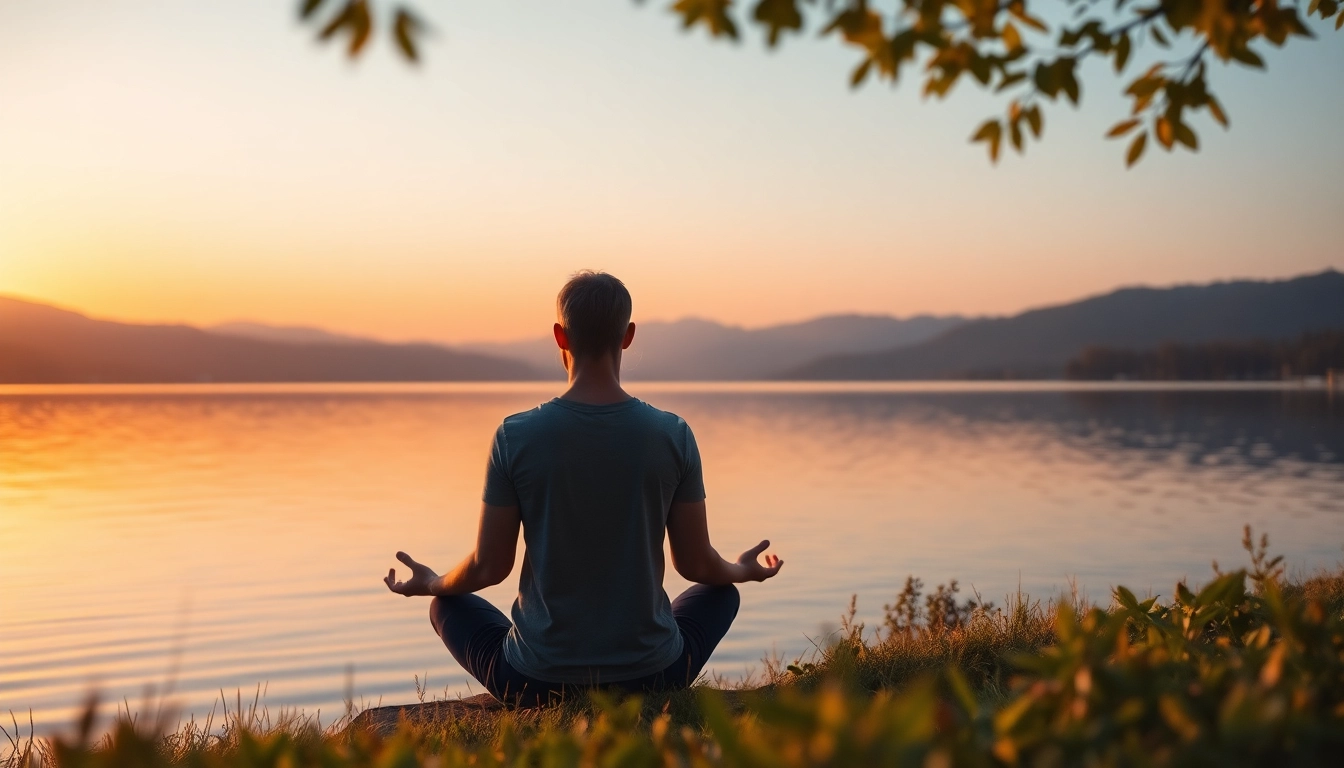
Mindfulness practices, such as meditation and deep-breathing exercises, are effective ways to combat stress and anxiety. These techniques help individuals re-center their thoughts and cultivate an awareness of the present moment, allowing for a break from overwhelming thoughts. Incorporating practices like yoga can also promote relaxation and enhance overall emotional well-being.
Physical Activities that Alleviate Stress and Anxiety
Engaging in physical activity is one of the most beneficial ways to combat stress and anxiety. Activities such as walking, jogging, or cycling lead to the release of endorphins, which can improve mood. Regular exercise also enhances overall physical health, creating a positive feedback loop that can further reduce stress levels.
Seeking Support from Professionals
Sometimes, the best way to manage stress and anxiety is to seek professional help. Therapists can offer insightful coping mechanisms tailored to individual situations. Cognitive Behavioral Therapy (CBT) has been particularly effective in addressing anxiety disorders by altering negative thought patterns and behaviors.
Long-Term Management Techniques
Creating a Balanced Lifestyle
Achieving a balanced lifestyle is critical for long-term stress and anxiety management. This can be accomplished through a combination of maintaining a nutritious diet, ensuring adequate sleep, and fostering strong social connections. Balancing work and leisure can significantly lessen feelings of burnout and anxiety.
Developing Healthy Coping Mechanisms
Establishing healthy coping mechanisms is key to managing stress and anxiety effectively. This might include writing in a journal, engaging in creative activities such as painting or music, or establishing a routine that provides a sense of normalcy. Identifying healthy outlets can empower individuals to confront challenges without resorting to harmful behaviors.
Tracking Progress and Adjusting Strategies
Monitoring progress over time can illuminate the effectiveness of various coping strategies. Individuals should consider keeping a journal to document their emotional states, triggers, and coping methods. This reflection can highlight what works, allowing for adjustments and informed decisions about how best to manage stress and anxiety moving forward.
FAQs about Stress and Anxiety
What is the difference between stress and anxiety?
Stress is a response to external events or pressures and often resolves once the situation passes. Anxiety is an internal state of persistent worry that can exist even without a stressor.
How can I recognize if I am experiencing too much stress or anxiety?
Look for signs such as persistent nervousness, emotional fatigue, difficulty concentrating, physical symptoms like headaches, or behavioral changes like withdrawal.
What are some immediate techniques to reduce stress and anxiety?
Try deep-breathing exercises, practicing mindfulness, taking a short walk, or engaging in a quick physical activity. These techniques can provide immediate relief.
How can lifestyle changes impact stress and anxiety levels?
Implementing healthier habits such as regular exercise, a balanced diet, and adequate sleep can significantly reduce stress and anxiety, enhancing overall well-being.
When should I seek professional help for stress and anxiety?
Seek help if your symptoms persist, interfere with daily activities, or cause distress. A mental health professional can provide personalized support and strategies.