Boost Your Skills with Practical Construction Classes

Understanding the Importance of Construction Classes
Defining Construction Classes
Construction classes are specialized training programs designed to equip individuals with the necessary skills and knowledge to excel in the construction industry. These classes encompass a wide range of topics, from basic building techniques to advanced project management and safety protocols. They cater to various skill levels, ensuring that everyone—from beginners to seasoned professionals—can find the right class to enhance their competencies and stay up-to-date with industry standards.
Benefits of Enrolling in Construction Classes
Enrolling in construction classes brings numerous benefits. Firstly, it provides a structured learning environment where students can gain hands-on experience and theoretical knowledge simultaneously. This dual approach helps reinforce learning and fosters confidence in applying new skills on actual projects. Additionally, construction classes often cover critical areas such as safety regulations, enabling participants to understand and implement best practices to ensure workplace safety.
Moreover, these classes help build a community of like-minded individuals, offering networking opportunities that can lead to job placements, mentorships, and partnerships in the future. By participating in construction classes, students can also improve their employability prospects, as many employers prioritize candidates with formal training and certificates in their hiring process.
How Construction Classes Build Skills
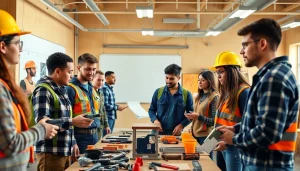
Construction classes are designed with skill development at their core. They include practical exercises that allow learners to apply theoretical knowledge in real-world scenarios. For example, a basic carpentry class may start with teaching safety protocols before moving on to hands-on techniques for measuring, cutting, and assembling wood. Advanced classes may incorporate software training for design or project management, ensuring that students are well-equipped for modern construction environments.
Skill-building also includes soft skills, such as communication and teamwork, which are essential in the construction field. Many construction classes emphasize group projects, enabling students to practice these skills in a supportive atmosphere.
Types of Construction Classes Available
Hands-on Construction Classes
Hands-on construction classes are focused on practical skills and real-world applications. These classes allow participants to engage with tools, techniques, and construction materials directly. Common offerings include welding, masonry, plumbing, and electrical training. These courses are critical for those looking to enter a trade, as they provide vital experience and confidence when handling tools and executing construction tasks.
Theoretical Construction Classes
Theoretical construction classes provide foundational knowledge crucial for understanding the principles governing construction practices. Topics may include construction law, project management, building codes, and environmental impact assessments. While these classes might lack the hands-on experience of their practical counterparts, they are essential for anyone aspiring to take on roles such as project manager or estimator, where understanding the broader context of construction projects is vital.
Online vs. In-person Construction Classes
With the rise of technology, learners now have the option to choose between online and in-person construction classes. Online classes offer flexibility, allowing students to study at their own pace from anywhere, making them ideal for those balancing work and study. Conversely, in-person classes provide immediate access to instructors and hands-on guidance, which can be invaluable, especially in skilled trades where practical training is paramount.
Choosing the Right Construction Classes for You
Factors to Consider When Selecting Construction Classes
When choosing construction classes, consider your current skill level, career goals, and learning preferences. Are you a beginner seeking foundational skills? Or are you a seasoned professional looking to specialize in a particular area? Your answer will influence the type of classes that are right for you. Additionally, investigate the instructors’ qualifications and the curriculum offered to ensure you receive quality education.
Certification and Accreditation of Construction Classes
Certification and accreditation are vital indicators of the quality and recognition of construction classes. Accredited programs often adhere to industry standards and can enhance your resume. Make sure to verify that the institution providing these classes holds necessary accreditations, as this can impact your credibility in the job market.
Cost-effective Options for Construction Classes
Cost should also play a role in your decision-making process. Evaluate your budget and explore scholarships, grants, and financing options that might be available to you. Community colleges, workshops, and vocational schools often provide more affordable alternatives to private institutions while offering quality training in construction.
Challenges Faced in Construction Classes
Common Obstacles for Beginners
Beginners in construction classes may face several challenges. One common obstacle is the learning curve associated with hands-on skills, where tasks may not come easily at first. Moreover, individuals may struggle with technical jargon or concepts that seem overwhelming. Overcoming these challenges often requires practice, patience, and seeking assistance from instructors or peers.
Addressing Safety Concerns in Construction Classes
Safety is paramount in construction, and this must be emphasized in construction classes. Educators should prioritize teaching safety protocols and provide adequate protective gear for all practical sessions. Students should become familiar with OSHA standards and safety regulations to minimize risks associated with construction work, preparing them for safe practices in their careers.
Improving Learning Outcomes in Construction Classes
To improve learning outcomes, educators can employ various strategies such as interactive methods, project-based learning, and incorporating technology. Utilizing simulation software can help students visualize complex concepts, while group assignments foster teamwork. Regular feedback and assessments ensure that learners stay on track and grasp essential skills effectively.
Future Trends in Construction Classes
Emerging Technologies in Construction Education
As the construction industry evolves, so do educational practices. Emerging technologies such as Building Information Modeling (BIM), drones, and virtual reality are transforming how construction classes are taught. These technologies not only enhance learning experiences but also prepare students for modern challenges in construction, making them more attractive to employers.
Integrating Sustainability into Construction Classes
Sustainability is becoming a critical aspect of modern construction, and educational programs must reflect this shift. Construction classes are increasingly incorporating topics like green building techniques, resource management, and renewable materials. This focus not only addresses current environmental concerns but also prepares students for an industry increasingly driven by sustainability initiatives.
Career Advancement Through Advanced Construction Classes
Advanced construction classes focused on specialized skills can significantly impact career advancement opportunities. These classes equip learners with niche expertise that is highly sought after in the industry, such as project management, sustainability practices, or advanced construction techniques. By investing in advanced training, individuals can position themselves for promotions and higher-paying roles.
Frequently Asked Questions
1. What are the prerequisites for taking construction classes?
Prerequisites vary by class; however, many foundational classes require no prior experience. Advanced courses may require basic skills or certifications.
2. How long do construction classes typically take?
Duration varies widely, from a few weeks for short workshops to several months for comprehensive certificate programs or courses.
3. Are online construction classes as effective as in-person classes?
Both formats offer unique advantages. Online classes provide flexibility, while in-person classes offer hands-on experience vital for practical skills.
4. Can I work while attending construction classes?
Many construction classes are designed for working individuals, offering flexible schedules. Night and weekend classes are often available.
5. What career opportunities exist after completing construction classes?
Graduates may pursue various roles, including carpentry, plumbing, project management, and construction safety, among others in the industry.